Clear Water, Cloudy Claims: Mapping the Caribbean's Seaweed Season
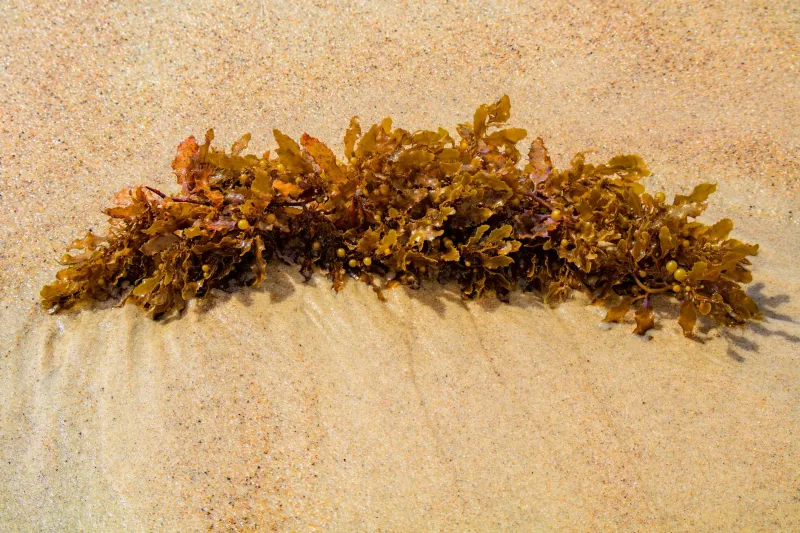
Sargassum is the least glamorous phrase in Caribbean travel. It is a floating brown seaweed that can turn a brochure-perfect bay into a churned-up shoreline overnight, then disappear on the next wind. The mistake UK bookers make is treating it as a yes-or-no question. It is not. It is seasonal, coastal and current-driven, with winners and losers on the same island — sometimes on the same afternoon.
This is a planning map, not a guarantee. Use it to choose a coast, ask sharper questions and protect your deposit. If clear water is the whole point of the trip, the geography below matters more than the star rating.
The season in one paragraph
The main window runs from May to October, with the highest risk usually between June and August. Late April and late October are the shoulder months: cheaper, quieter and often decent, but less predictable. Storms and currents can push weed ashore in waves, so a beach can be clear for a week and grim for three days. As of November 2026, the last season has mostly run its course, but the same pattern will shape the next one. No island is safe from a bad week; some coasts are simply better placed to dodge the worst of it.
Read the coast, not the island
Trade winds and currents tend to push sargassum towards Atlantic-facing and windward shores. That means east coasts, exposed bays and beaches without a protective headland are usually the first to suffer. Leeward west coasts, sheltered coves and islands outside the main current paths often stay clearer — but 'often' is doing a lot of work in that sentence.
Here is how that plays out beach by beach, in broad strokes:
- Barbados: the wild east coast around Bathsheba and Cattlewash is beautiful and exposed. The west coast — Paynes Bay, Holetown, Sandy Lane — is more sheltered and usually a safer bet for swimming, though not immune. The south coast sits somewhere in between.
- Antigua: Atlantic-facing beaches such as Half Moon Bay and Long Bay can collect weed. The west and north — Dickenson Bay, Jolly Beach, Galley Bay — are generally calmer. English Harbour and the south coast have their own microclimate.
- St Lucia: the west coast from Rodney Bay down to Soufriere is the classic holiday strip and generally more sheltered. The east coast around Vieux Fort faces the wrong way for clear-water certainty.
- Grenada: Grand Anse and the south-west coast are the usual choice for a reason. The windward east coast is prettier in a rugged sense and more exposed to weed.
- Tobago: the Caribbean coast around Pigeon Point and Store Bay is the safer pick. The Atlantic side is for surf and scenery, not necessarily a seaweed-free swim.
- St Vincent and the Grenadines: Bequia, Mustique and Canouan often benefit from their position and prevailing currents, but small islands can still get hit. Ask about the specific bay, not the island in general.
- Aruba, Bonaire and Curaçao: these ABC islands sit outside the main hurricane belt and often dodge the worst of the weed. They are not immune, but they are a sensible choice if you want to reduce the risk.
- Turks and Caicos: Grace Bay has a strong reputation for clear water, and the islands generally see less than the eastern Caribbean. Pulses still happen, so check recent reports rather than assuming.
- Jamaica: the north coast — Montego Bay, Negril, Ocho Rios — is usually more sheltered than the south or east. Again, it is a tendency, not a promise.
What hotels can and cannot do
Most beachfront hotels in affected areas have a routine: floating barriers, daily raking, tractors, teams with wheelbarrows and a lot of early starts. A good operation can keep the main beach usable and the pool area pleasant. It cannot turn a weed-heavy sea into a glassy lagoon.
Be sceptical of vague reassurance. 'We have a sargassum programme' is not the same as 'the beach is clear this week'. Ask for recent photos, check the hotel webcam if it has one, and look at traveller posts from the last 30 to 60 days. A hotel on a rocky cove may have less of a problem simply because it has less beach. A hotel described as beachfront may sit behind a seawall with a narrow strip of sand.
Booking around it without gambling
If you are booking between May and October, avoid non-refundable rates unless the saving is enormous and you can live with the risk. A flexible rate or a low deposit with a sensible cancellation window is worth more than a free breakfast. Check the cancellation deadline in local time, not UK time, and get the policy in writing.
ATOL-protected packages can be useful because the operator is on the hook if something goes wrong, but they are not a seaweed guarantee. Travel insurance rarely covers sargassum, so do not rely on it. Ask the hotel directly: if the beach is unusable, will they move you to a sister property, offer a room upgrade, or allow a date change? Get the answer by email before you pay.
A realistic expectation
Even in peak season, some days are fine. Wind direction changes, crews clear the sand and the sea can look completely different by lunchtime. If you are beach-obsessed, choose a leeward coast or an island with a lower risk profile and book flexible. If you mainly want warmth, rum punch and a pool, save your money and treat the beach as a bonus.
The map is not a promise. It is a way to ask better questions before the deposit leaves your account.