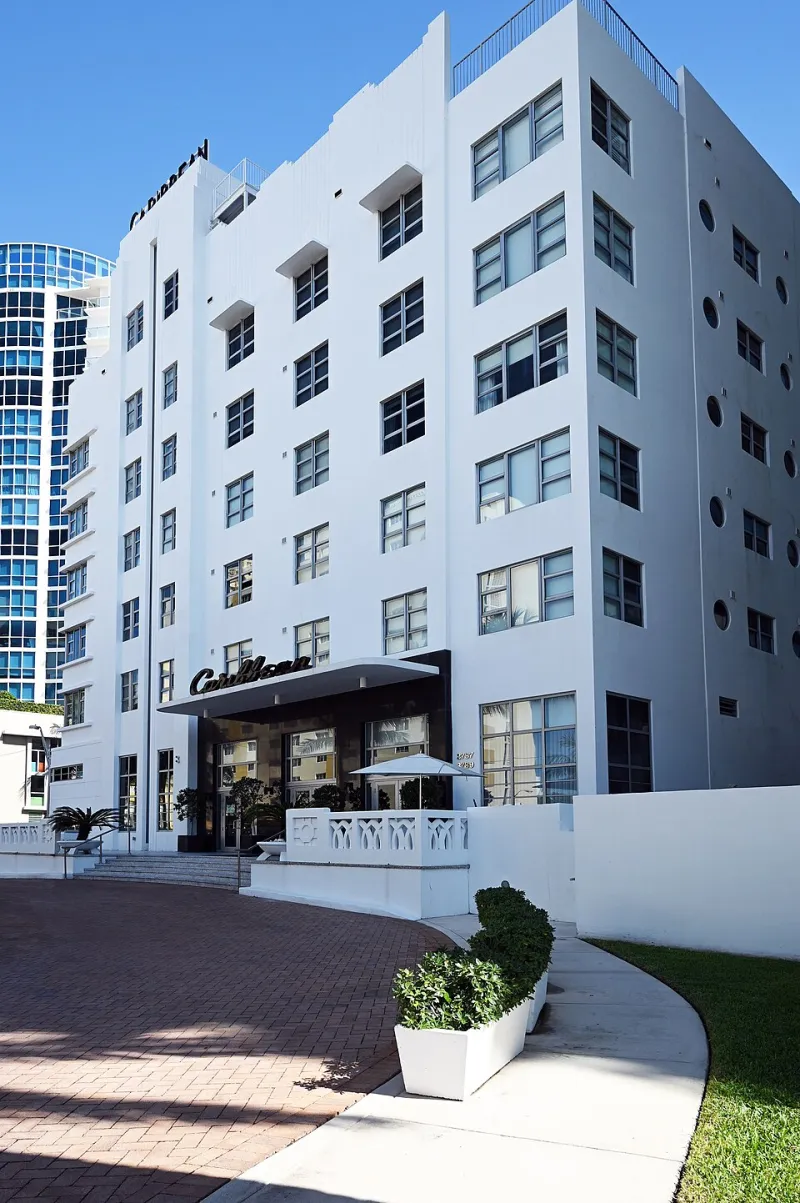
The Right Week to Book Your Caribbean Hotel in 2026 — and the Week to Let It Go
Caribbean hotel booking is not one decision. It is a chain of small ones: deposit, balance, cancellation window, exchange rate, transfer and insurance. Miss one and the bargain can turn into a chore. The 2026 calendar has made that clearer than ever for UK travellers, with winter demand holding firm and direct-booking terms tightening. Here is the practical rhythm to use for the rest of 2026 and the winter that follows.
First, separate the school holidays from the shoulder weeks
UK families are not really shopping for a Caribbean hotel. They are shopping for a specific week that fits half-term, Easter, summer or Christmas. That changes everything. If you are locked to a school holiday, you are competing with every other parent who has the same idea. If you can travel in late January, early May or the first half of December, you have far more room to negotiate and far less reason to panic-book.
The 2026 pattern has been simple: peak weeks sold early, shoulder weeks held their value, and storm-season weeks needed careful terms rather than big discounts. The same logic applies to 2027 bookings.
The month-by-month booking calendar
January to March
This is peak Caribbean season. Christmas and New Year have gone, but February half-term and Easter keep demand high. Balance payments for February trips usually fall due between December and early January, often 8 to 12 weeks before departure. If you are booking late, expect the remaining rooms to be the ones with the worst view or the highest price.
For Easter, aim to have your room secured by late January. If a hotel wants full payment 90 days out and offers no refund after that, treat it as a commitment, not a reservation. That is the point to walk away unless your insurance covers the reason you might cancel.
April to June
This is one of the smarter windows. The weather is still good, the UK crowds are thinner and hotels are more willing to discuss terms. Book three to six months ahead for the best room choice. Direct hotels may ask for a 20% deposit with the balance due 30 days before arrival. Smaller guesthouses sometimes ask for 50% up front, so read the small print.
June marks the start of hurricane season, but early summer is not the same as late summer. If you book June, check the named-storm policy on your travel insurance before you pay anything.
July and August
Summer holidays mean family demand and higher flight prices. Book six to nine months ahead if you want a specific room type or a hotel near a calm beach. Balance deadlines often land in May or June. UK tour operators may offer early-booking discounts, but compare the total with a direct quote including transfers and baggage.
September and October
This is the value window, but it is also the risk window. Rates are lower, the sea is warm and the crowds are gone. Book four to eight weeks ahead and keep your terms flexible. A non-refundable storm-season booking is not a bargain if a named storm changes your plans. Choose a hotel with a clear cancellation policy and pay by credit card for extra protection.
November and December
As November 2026 unfolds, the sensible move is to split your thinking. For Christmas and New Year, book only what you can afford to lose or what is properly insured. Many Caribbean hotels set minimum stays, non-refundable deposits and strict balance dates for the festive period. For January to March 2027, book now. The best rooms on the west coast of Barbados, in English Harbour or on Grand Anse beach do not wait for the new year.
Deposits, balances and the 90-day trap
A typical Caribbean hotel deposit is 20% to 30%, with the balance due 60 to 90 days before arrival. UK tour operators often ask for the balance 12 weeks before departure. Direct hotels sometimes shorten that to 30 days, which is helpful, but not always.
The trap is the long balance window with a harsh cancellation clause. If you pay the balance 90 days out and the hotel keeps 100% after that, you have effectively made a non-refundable booking. Ask for the cancellation terms in writing before you pay the deposit. The word flexible means different things to different hotels.
Booking direct or through a UK tour operator?
Direct booking gives you a direct line to the hotel, sometimes a better room and often a more personal stay. It also means you deal with currency risk, transfer costs and the hotel's own cancellation policy. If the hotel is outside the UK, you do not get ATOL protection on a room-only booking.
A UK tour operator package usually includes flights, transfers and ATOL protection. You pay in sterling, which removes exchange-rate guesswork, and you have a UK point of contact if something goes wrong. The trade-off is price and flexibility. You may get a generic room category and less say over exactly where you sleep.
For a package with flights, ATOL matters. For a room-only booking, direct can work well if the hotel is established and the terms are clear. Compare the total cost, not just the headline rate. Add transfers, resort fees, taxes, breakfast and baggage before you decide.
Exchange-rate timing
If you pay a Caribbean hotel direct, you are usually paying in US dollars or a local currency. Do not try to call the bottom of the market. Pay the deposit when the rate feels reasonable and pay the balance when it is due. Use a multi-currency card or a card with low foreign-exchange fees, and always refuse dynamic currency conversion at the payment screen. If a UK operator quotes in sterling, the rate risk sits with them, but check what happens if the pound moves sharply before departure.
Island-specific examples
A west-coast Barbados hotel might ask for a 30% deposit and the balance 60 days out, with cancellation closing 45 days before arrival. A St Lucia small hotel may want 25% down and the balance 60 days before, while a Christmas booking could be 50% non-refundable. Antigua hotels often ask for 20% and balance 45 to 60 days ahead, with rates rising around sailing events. Jamaica all-inclusives commonly ask for 25% and balance 45 days before, while Port Antonio guesthouses may ask for a bank transfer and a larger up-front share. Grenada properties often sit around 25% and 60 days. These are typical patterns, not universal rules, so get the actual terms for your dates.
When to walk away
Walk away if the hotel will not put cancellation terms in writing. Walk away if you are asked to pay a large sum by bank transfer to a personal account. Walk away if the balance is due 90 days out with no refund and no insurance cover. Walk away if a package has no ATOL protection. Walk away if the price excludes transfers, taxes and resort fees and still looks too good to be true. And walk away if you are being pressured to book today for a room that will almost certainly still be there tomorrow.
A simple action plan for the months ahead
For Christmas 2026, book only flexible terms or properly insured arrangements. For January to March 2027, book now and set a reminder for the balance date. For Easter 2027, aim to secure a room by late January. For summer 2027, book by February or March. For winter 2027-28, start looking in spring. Pay by credit card where you can, buy insurance when you book, and keep every email. The Caribbean rewards planners, but only planners who read the small print.