Breeze, Screens and Standing Water: A Bite-Aware Guide to Choosing a Caribbean Island
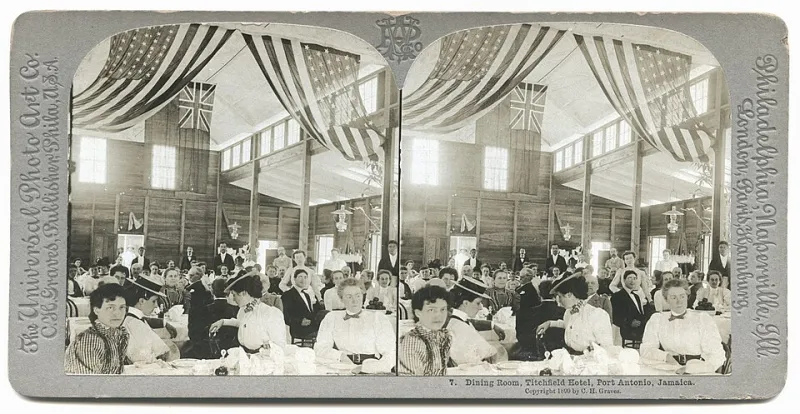
Photo: Carleton H. Graves (d. 1943), Public domain, via Wikimedia Commons
If you are the traveller who comes home with more bites than postcards, picking a Caribbean island is not just about beaches and flight times. It is about rainfall, wind, building design and the small pools of water you never notice until you are scratching at 2am. No Caribbean destination is bite-free. But some combinations of island, season and property give you a much better fighting chance.
This is a practical filter for UK travellers who react badly to insect bites — not a promise of an itch-free fortnight.
Start with the rainy season, not the brochure
Mosquitoes need water. Caribbean islands with lower annual rainfall — Aruba, Curaçao and Bonaire are the usual examples — tend to have fewer breeding sites than lush, volcanic islands such as Dominica, St Lucia or Grenada. That does not mean the dry islands are somehow exempt. Cisterns, irrigation, plant pots, blocked drains and building sites can all hold enough water for a mosquito to complete its life cycle.
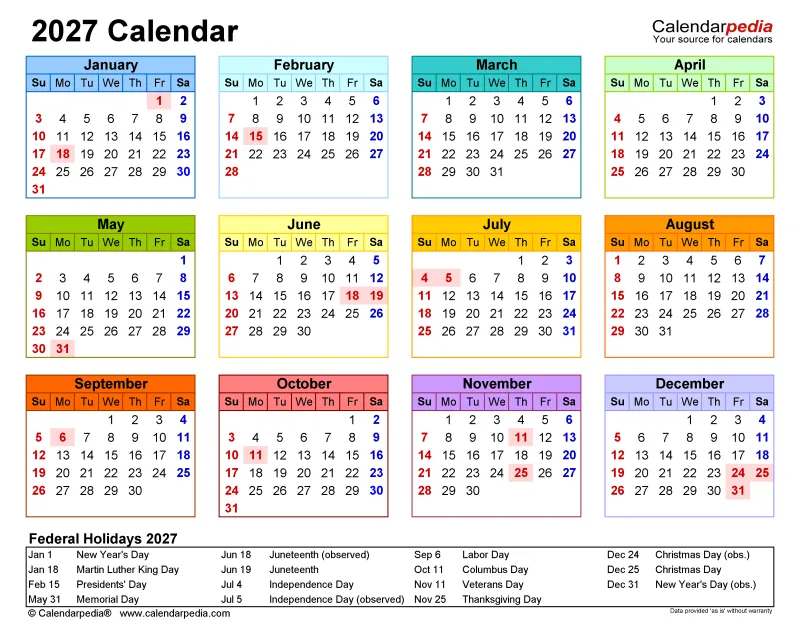
Timing matters just as much. The Caribbean's wetter months generally run from June to November, with the driest stretch often falling between January and April. A UK winter escape in February is usually a different proposition from a late-summer trip in August. But rainfall varies enormously between islands, and even within one island. A dry south coast can sit an hour from a damp rainforest interior.
There is also a difference between mosquito types. Some day-biting species breed in small containers around buildings — the sort of thing a hotel garden or villa terrace can provide. Others are more active at dusk and dawn. That is why the property you book can matter as much as the island you choose.
Trade winds are your friend — if you sleep on the right coast
Caribbean islands generally receive easterly trade winds. East-facing coasts tend to be breezier, while sheltered leeward coasts can feel calmer, hotter and more humid. Breeze does not remove mosquitoes, but it makes life harder for them. A well-ventilated upper-floor room on a breezy coast is usually a better bet than a still, ground-floor room beside lush gardens and a decorative pond.
On hilly islands, think about altitude and aspect too. A ridge-top villa may catch more wind; a valley property may be sheltered and greener. Neither is automatically better, but it is worth asking which side of the island you are on and what sits immediately around the property.
The island shortlist, with caveats
It is tempting to rank islands as though mosquitoes read the same maps we do. They do not. Still, some broad patterns are useful.
- Aruba, Curaçao and Bonaire: Drier and often breezy, with fewer lush breeding grounds. Urban standing water and hotel irrigation still matter, and Bonaire can have marshy areas after rain.
- Barbados: Relatively flat and breezy, especially on parts of the south and east coasts. Rainwater tanks and garden watering can create local pockets.
- Antigua: Generally drier than the volcanic islands, with a useful coastal breeze. Low-lying areas and hotel landscaping still need checking.
- St Lucia, Dominica and Grenada: Beautiful, green and wetter. If you are bite-sensitive, choose a breezy coast, an upper-floor room and a property with proper screening rather than a garden villa beside dense vegetation.
- Jamaica: Huge variation. A breezy north-coast hotel is a different experience from a rainforest retreat. Ask about the specific area, not just the island.
Treat this as a starting filter, not a guarantee. A dry island with a badly screened ground-floor room can be worse than a wet island with a well-built, breezy property.
The property questions that actually change your week
Before you book a hotel or villa, ask specific questions. Generic reassurance — “we have never had a problem” — is not useful. These are the ones that matter:
- Are all windows and doors fitted with intact insect screens, and are there gaps around frames or under doors?
- Is there air conditioning in the bedroom, and is it included in the rate? AC lets you keep windows closed.
- Is there a ceiling fan or standing fan in the bedroom?
- Is a mosquito net provided over the bed, and is it in good condition?
- Are there ponds, fountains, water butts, cisterns, blocked gutters or daily-irrigated plant pots near the room?
- Does the garden get watered every day, and are there saucers under pots?
- Is the property regularly treated for mosquitoes? Do not rely on this alone, but it is worth knowing.
- Is the room on the ground floor beside dense planting, or higher up and more exposed to breeze?
- For villas, are there covered outdoor seating areas with fans, and are pool areas draining properly?
For hotels, ask about the room category rather than the hotel as a whole. “Garden view” can mean lush, shaded and damp. “Ocean breeze” can mean windy and exposed. Neither is bad, but they suit different travellers.
Pack like a Brit who knows the drill
UK travellers can buy effective repellents containing DEET or picaridin before flying. A high-factor DEET product is not pleasant to wear, but it works. Pack antihistamine cream, a plug adapter for any plug-in devices, and loose long sleeves for dusk. If you are pregnant, travelling with a young child or have a health condition that makes insect bites more concerning, check current NHS travel health advice for your destination before booking.
The honest bottom line
There is no Caribbean island where you can leave the repellent at home and forget about mosquitoes. But you can stack the odds. Favour a drier, breezier coast. Choose a property with intact screens, bedroom AC and no obvious standing water. Ask direct questions before you pay. And if bites genuinely ruin your holiday, do not gamble on a lush garden villa in the rainy season just because the photos look lovely.
Use the mosquito map as a filter, not a promise. The best Caribbean booking for a bite-sensitive traveller is the one that takes the issue seriously before arrival.