The Coast You Sleep On: Reading Windward and Leeward Before You Book a Caribbean Hotel
Photo: Daniel Di Palma, CC BY-SA 4.0, via Wikimedia Commons
Most Caribbean islands are sold to UK holidaymakers as a single postcode: one airport, one coastline, one idea of a good time. The reality is more interesting. On the same island, two hotels twenty minutes apart can offer different weather, different seas and a different sort of evening. The variable is often the coast — specifically whether you are sleeping on the windward or leeward side.
At West Indies Escapes we are not here to declare one side better. We are here to help you work out which side suits the holiday you actually want. That means reading a map, a rainfall chart and a hotel's beach orientation before the deposit leaves your account.
Start With the Wind, Not the Brochure
The trade winds are the engine behind most Caribbean weather. On many islands they blow from the east or north-east, which means the windward coast faces the breeze and the leeward coast sits in its shelter. But do not treat those words as fixed compass points. On some islands the windward shore is east; on others it is north-east or south-east. The leeward side is simply the one turned away from the prevailing wind.
That difference is not academic. A windward beach may be breezier, wilder and greener. A leeward beach may be calmer, drier and more built-up. Neither is a trick — but they attract different kinds of traveller. If you want a sun lounger, a gentle swim and a short walk to dinner, the leeward side usually does more of the work. If you want Atlantic surf, empty coves and a bit of drama in the landscape, the windward side starts to look less like a compromise.
What Windward Actually Means on a Map
Open Google Maps or a paper map and find the island's north arrow. Then look at the shape of the coast and the hotel's beach. Is the beach facing the open ocean or a sheltered bay? Is there a reef offshore? Are there hills between the hotel and the prevailing wind? These clues matter more than the word 'beachfront' on a booking page.
A hotel can be on the coast and still be sheltered by a headland. A villa can be five minutes from the sea and yet sit in a rain shadow. The map tells you the geography; the brochure tells you the mood. Use both, but trust the map for the practical bits.
The Rain-Shadow Effect (and Why Your Sunbeds Care)
Windward coasts tend to catch more rain because moist air is pushed up over the land. Leeward coasts often sit in a rain shadow, which is why the same island can have lush rainforest on one side and scrubby, cactus-dotted slopes on the other. This is not a guarantee — Caribbean weather is seasonal and stubborn — but it is a useful prior.
Before booking, look at monthly rainfall charts rather than annual totals. A island may look wet overall because one mountain village gets drenched, while your resort coast stays surprisingly dry. Check the nearest weather station or a reliable climate table for the specific coast, not just the island name. If you are travelling in the wetter season, a leeward base can mean more usable beach days and fewer afternoons watching the horizon turn grey.
Swimming, Surf and the Seaweed Question
Sea conditions are the other big divider. Windward shores often face bigger swells, stronger currents and more surf. That is brilliant if you are a confident swimmer or a surfer; it is less brilliant if you have small children who want to paddle. Leeward coasts are generally calmer, with more sheltered swimming and easier snorkelling, though local reefs and seasonal weather still matter.
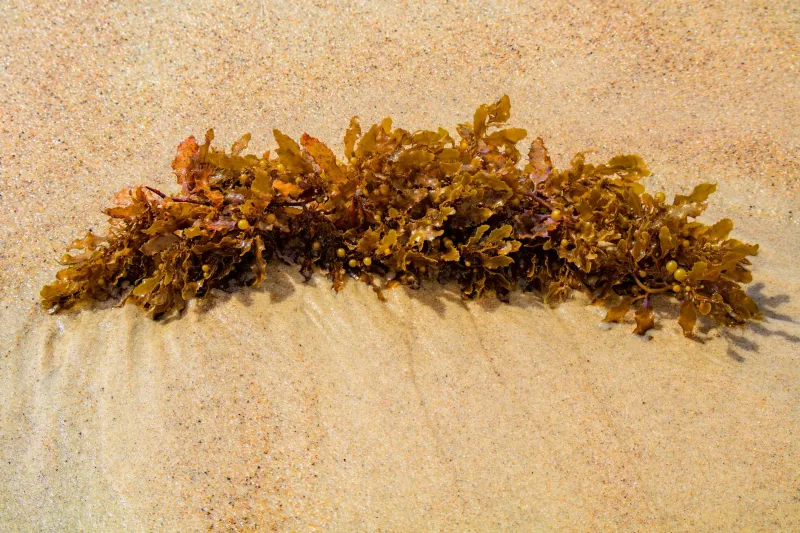
Seaweed is worth asking about directly. Sargassum does not read hotel brochures, and it can arrive on windward or south-facing coasts depending on currents and the time of year. Ask the hotel or villa manager for recent beach photos, not the polished shots from the website. A quick question about the last two weeks tells you more than a generic promise that the beach is 'pristine'.
Sunset, Mosquitoes and the Drive to Dinner
A west-facing leeward beach gives you sunsets over the sea — the sort that make a £9 rum punch feel like good value. An east-facing windward coast loses the sun earlier behind the island's own hills, which can be a surprise if you have booked a late-afternoon beach slot. The difference is usually minutes rather than hours, but it changes the rhythm of the evening.
Insect pressure is another practical detail. Wetter, greener windward areas can mean more mosquitoes, especially after rain and around standing water. That does not rule them out, but it may affect your choice of villa with a plunge pool, or how seriously you pack repellent. Leeward coasts are often drier and breezier, which helps — though no Caribbean island is insect-free.
Then there is the drive to dinner. A hotel that looks close to town on a map may be a winding 25-minute drive on an unlit road. Check the actual road route, not the straight-line distance. If you plan to eat out most nights, a leeward base near a strip of restaurants can save a lot of taxi fare and late-night negotiation.
How to Audit a Hotel or Villa Before the Deposit
Start with three checks. First, find the beach orientation on a satellite map and note which way it faces. Second, look up monthly rainfall for that coast, not the island's capital. Third, search recent traveller photos and reviews for mentions of seaweed, surf, insects or road noise. If the hotel cannot answer a simple question about which side of the island it sits on, that is useful information too.
For villa rentals, ask where the nearest supermarket and restaurant are by road, and whether the property catches the trade winds. A breezy hillside villa on the windward side can be lovely; a hot, still one in the wrong spot is a different story. The same applies to hotels: a sea-facing room on the windward coast may be bracing rather than balmy in January.
The Same Island, Two Different Holidays
None of this means you should avoid one coast for ever. It means you should choose it deliberately. The windward side can give you surf, rainforest, emptier beaches and a sense of the island beyond the resort gates. The leeward side can give you calm water, later sunsets, easier swimming and a shorter hop to dinner. Both are Caribbean holidays; they are just not the same one.
So before you book, read the island like a map rather than a brochure. Find the wind, the rain shadow and the beach orientation. Then decide which coast matches the fortnight you have in mind. The view from the balcony is lovely either way — but the holiday around it can feel completely different.