The Protection Gap: What a DIY Caribbean Trip Doesn't Come With
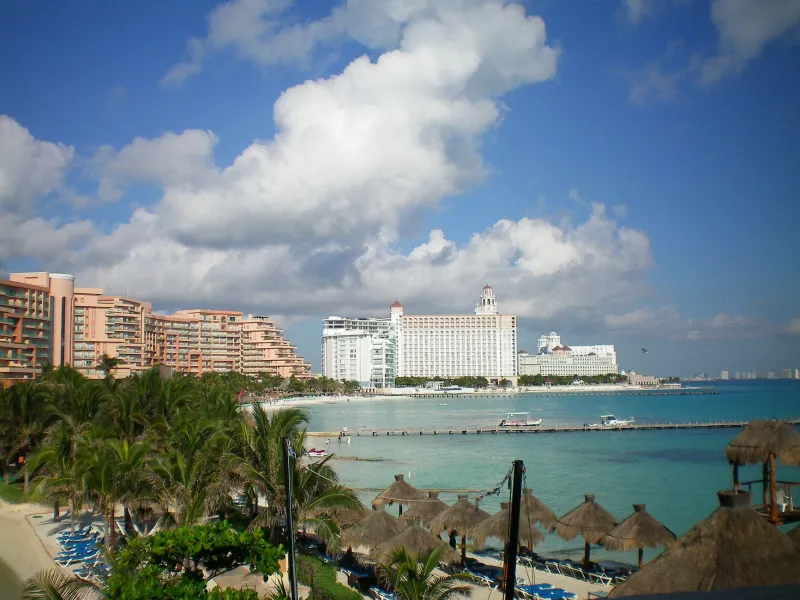
You've found a £480 return to Antigua, a small hotel in English Harbour at £130 a night, and a taxi transfer quoted at £40 each way. Total: comfortably under the price of a package. Nothing wrong with that. But somewhere between the tabs open on your laptop, a layer of protection has quietly disappeared — the layer most of us only think about when something goes wrong.
ATOL Is Not a Magic Word
ATOL stands for Air Travel Organiser's Licence, and it's run by the Civil Aviation Authority. It protects your money — and gets you home — if an ATOL holder goes bust. The crucial bit is who you're buying from and what you're buying. A package holiday sold by one ATOL holder is covered. A flight booked directly with the airline and a hotel booked directly with the hotel is not a package, and the ATOL safety net doesn't stretch to cover both halves separately.
If the airline fails, you may get a refund through your card provider or a scheduled airline failure policy. If the hotel fails before you arrive, your deposit is usually sitting with the hotel or its booking platform, and your route to getting it back is contractual, not regulatory. That's the gap.
ABTA is a different badge. It's a trade association with a code of conduct and a scheme for member failures; it can help if a member goes out of business, but it doesn't turn a DIY booking into a package. Seeing an ABTA logo on a hotel website tells you something about membership, not necessarily about your money.
The Flight-Plus Fluke
UK rules on 'flight-plus' arrangements are designed to catch travel companies that sell a flight and accommodation together without calling it a package. If a UK agent arranges both within 24 hours, they may need ATOL cover for that combination. But when you assemble the pieces yourself — airline site, hotel site, transfer company — you're not a flight-plus organiser. You're a consumer with three separate contracts.
Some online travel agents blur this line. Ask directly: 'Are you the principal for this hotel booking, or an agent?' If they're an agent, ask who holds the ATOL and get the number in writing. If nobody can answer, assume there's no cover.
Section 75: Useful, Not Universal
Section 75 of the Consumer Credit Act can help when you pay for something over £100 and under £30,000 on a credit card. It creates a claim against your card issuer if the supplier breaches the contract or misrepresents something. For a hotel deposit, that could mean a claim if the hotel takes your money and doesn't deliver. But it isn't automatic. The card issuer, the supplier and you need the right kind of link — broadly, you paid the supplier directly. If you paid a booking platform that acted as an agent, the link can break, and the platform may not be the supplier.
Debit card payments don't get Section 75. Chargeback exists, but it's a card scheme rule, not a legal right, and time limits apply — often around 120 days from the transaction or the expected service date. It's worth trying for a disputed payment, but don't build your budget on it.
The Insurance Illusion
Travel insurance does a lot, but it usually doesn't cover supplier insolvency unless you've bought that cover specifically. Medical costs, cancellation for covered reasons, baggage — yes. A hotel going into administration — often no. Check the policy wording for words like 'insolvency', 'financial failure' or 'end supplier failure'. Scheduled airline failure cover is sometimes an add-on; it's rarely included as standard. And if you do have a claim, notify your insurer within the window they set — usually days, not months.
Six Questions Before the Deposit
Before any money leaves your account, get clear answers to these:
- Who is the ATOL holder for this booking, and what is the number?
- If I pay this hotel deposit, who actually receives the money, and when?
- Is the deposit refundable, and whose terms govern the refund?
- Am I paying the supplier directly by credit card, or am I paying an agent?
- Does my travel insurance cover supplier failure — and does it cover the hotel as well as the flight?
- If my flight time changes, what happens to my transfer booking?
If a seller can't answer the first two without hedging, treat that as information.
Rebuilding the Safety Net
None of this means DIY is a bad idea. It often isn't. But you can rebuild some of the protection you've given up. Book the flight and hotel through the same ATOL holder if package-style cover matters more than squeezing out the last few pounds. Pay deposits by credit card directly to the principal where you can. If you're booking flights direct, look at scheduled airline failure cover. Keep every confirmation, note the ATOL number if there is one, and read the cancellation section of each contract — not just the price.
Most Caribbean trips go exactly to plan. The point of a pre-booking audit is the minority that don't. Build the trip you want, but know which pieces are covered — and which are just good faith and a confirmation email.