Which Side of the Building? Choosing a Caribbean Hotel Room That Stays Cool Past Breakfast
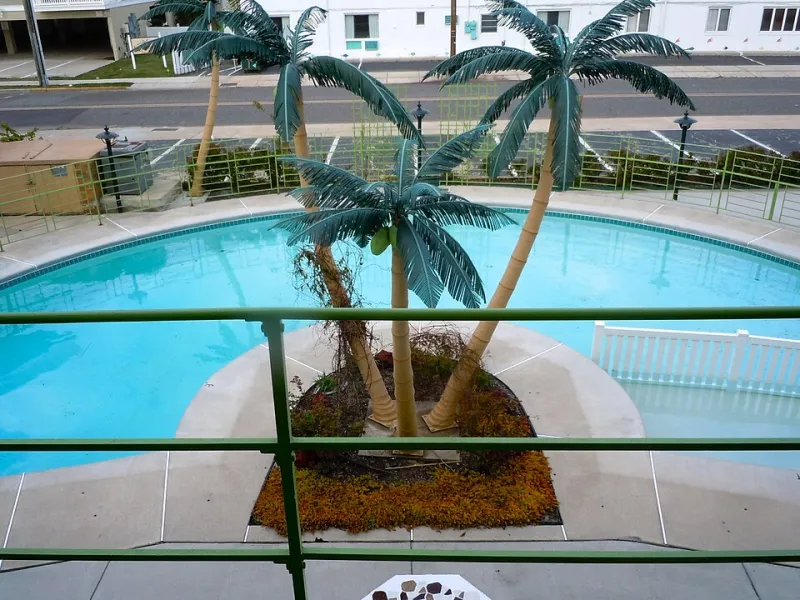
Photo: Smallbones, CC0, via Wikimedia Commons
A Caribbean room can look perfect in a brochure at 4pm and feel like a tumble dryer by 9am. The difference is rarely the décor, the thread count or the welcome cocktail. It is usually the angle of the building, the depth of the balcony overhang and whether the morning sun has a clear run at the glass. For UK travellers paying good money for a winter escape, that is worth checking before the deposit goes down.
The brochure photo has a time of day
Hotel photography is not dishonest, but it is chosen. Wide-angle shots make balconies look deeper than they are. Golden-hour light flatters the pool and hides the fact that your terrace faces a car park, a service road or a wall that has been storing heat since noon. A photo taken at 5pm tells you almost nothing about the room at 8am.
So start with a simple question: when was this picture taken, and which way is the camera pointing? If the hotel cannot answer, treat the image as mood rather than evidence. That is not a reason to walk away. It is a reason to ask more.
Orientation is the first question, not the view
Most UK bookers fixate on sea view, garden view or pool view. Those labels describe what you look at, not what the sun does to you. The more useful question is which compass direction the main window and balcony face.
In broad terms, an east or north-east-facing room gets the morning sun. That is lovely if you are up with the kettle at 7am. It is less lovely if you hoped to lie in with the curtains open. A west-facing balcony takes the afternoon hit, which can make the room slow to cool at dinner time. North-facing rooms are often softer through the day in the northern Caribbean, while south-facing rooms can catch strong overhead sun depending on the island and season.
None of this is a guarantee. A deep overhang, a mature tree or a neighbouring wing can change everything. But orientation is the first filter, and it is a question any hotel should be able to answer.
The sun path is not the same across the Caribbean
The Caribbean is not one climate in a tidy box. The Bahamas, Jamaica, Cuba and the Cayman Islands sit further north than Trinidad or Barbados. The sun's angle shifts through the year, and the difference between a February booking and an August booking matters. If you are travelling in the UK school summer holidays, the sun is high and hard. If you are escaping in January or February, the light is lower and the shadows are longer.
That means you should ask about your dates, not just the room. A balcony that is shaded in December may be exposed in July. A west-facing room that is pleasant in a breezy February can be a different proposition in a still August. If the hotel has repeat guests, ask which rooms they request at that time of year. The answer often reveals more than the website does.
Trees, overhangs and the greenhouse effect
Shade is not just about direction. Look at what sits between the sun and the glass. A mature palm or a broad-leafed tree can do more for a room than a small awning. A deep balcony overhang can keep the worst of the sun off the sliding doors, but only if the sun is high enough. A neighbouring building can cast useful shade in the morning and unwelcome shade in the afternoon.
Materials matter too. A sun-baked concrete wall holds warmth and releases it into the evening. Large single-glazed windows turn a room into a greenhouse. Shutters, louvres and external blinds are good signs. So are ceiling fans and a properly sized air-conditioning unit. A top-floor room may catch more breeze, but it may also take more heat through the roof. A ground-floor room can be shaded by planting, but it can also be darker, damper and closer to mosquitoes.
What to ask before you pay
You do not need a degree in building physics. You need a short email and a few direct questions. Ask which direction the balcony faces. Ask which floor the room is on. Ask whether the balcony is covered and how deep the overhang is. Ask whether trees or another building shade the room in the morning. Ask whether the sun hits the bed or the seating area at breakfast time.
Then ask about the practical side: is the air-conditioning in the bedroom or only the living area? Are there blackout curtains? Do the windows open? Is there a fan? If you are booking a package, remember that the tour operator may not control room allocation. The hotel does. A polite request is not a guarantee, but it is better than hoping.
A five-minute shade checklist
- Check the balcony's compass direction, not just the view label.
- Ask for the floor number and whether the balcony is covered.
- Look for tree cover, neighbouring wings and deep overhangs in photos.
- Ask when the marketing photos were taken.
- Confirm air-conditioning in the bedroom, not just the suite.
- Ask whether shutters, louvres or blackout curtains are fitted.
- For summer travel, assume stronger sun and ask about afternoon shade.
- For winter lie-ins, be cautious about east-facing rooms.
- Request a specific room block by email and keep the reply.
- Accept that a sea view can still be a sun trap.
If you actually want the sun
Shade is not automatically better. Some travellers want a balcony that catches the afternoon sun for a late drink. Families with young children may prefer a shaded terrace at lunchtime. Couples may want morning light and a cool room by noon. The point is to choose deliberately rather than discover the problem at 9am with the curtains drawn and the air-conditioning fighting a losing battle.
A Caribbean hotel room is more than a bed and a view. It is a small piece of building, planting and weather. Ask about the shade before you book, and you are far less likely to spend your holiday negotiating with the sun.