The Wristband Below the Waterline: Budgeting for Caribbean Marine Parks and Snorkel Days
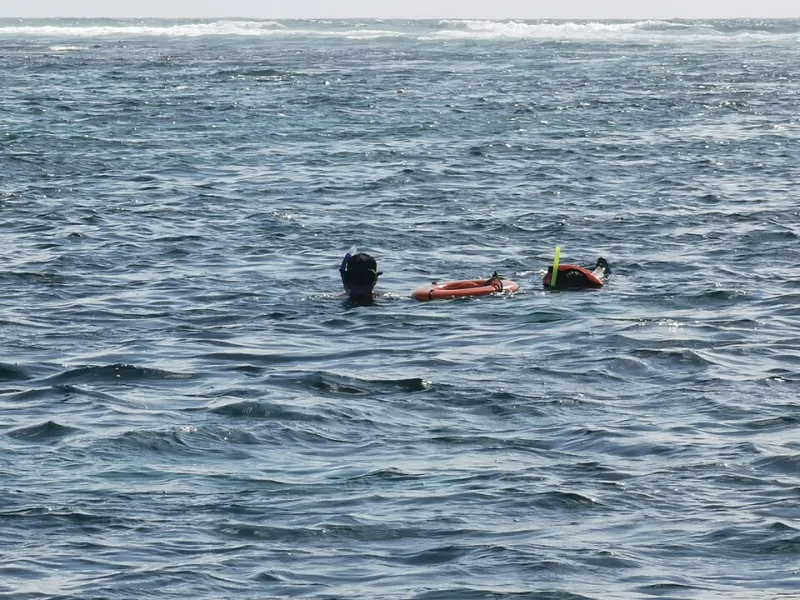
Photo: ProtoplasmaKid, CC BY-SA 4.0, via Wikimedia Commons
A snorkel day in the Caribbean looks simple in the brochure: a boat, a mask, a patch of turquoise water and a guide who knows where the turtles hang out. Then you reach the jetty and discover a marine park fee, a sunscreen rule, a gear deposit and a lunch stop that is not included. None of it is a scam. It is just the cost of looking after the reef — and of having a good day on it.
For UK travellers budgeting a 2026 holiday, it helps to know what sits inside the headline price and what gets added at the dock. The difference can be £30 or more per person, which matters if you are booking two or three boat trips in a fortnight.
The fee you meet at the jetty
Many Caribbean islands charge a marine park user fee for snorkelling and diving in protected areas. Sometimes it is included in the boat ticket. Sometimes it is collected separately, in cash, at the jetty or at a park office. Sometimes there is a daily rate and a weekly rate.
Ask before you pay the deposit: is the marine park fee included in this price, and if not, how much is it and how is it paid? Get the answer in writing if you are booking online. A good operator will not mind. A vague answer is worth chasing down before you turn up with the wrong currency.
What the wristband actually pays for
Marine park fees are not just an entry charge. They help fund mooring buoys so boats do not anchor on coral, patrols against illegal fishing, research and monitoring, and education for local schools and visitors. Some parks also pay for rubbish collection and rescue equipment.
That does not mean every operator explains it well. If you want to know where the money goes, ask. A guide who can tell you which reefs are recovering, which areas are closed for spawning season and why you should not stand on the shallows is usually a guide worth booking.
The sunscreen rulebook
Several Caribbean destinations have rules about reef-safe sunscreen. Some ban ingredients such as oxybenzone and octinoxate; others require reef-safe products in marine parks. Rules vary by island and can change, so check the destination's official guidance before you fly.
In practice, this means reading the label rather than assuming 'reef-friendly' on the front is enough. Look at the active ingredients. If you are buying in the UK, check before you pack. If you are buying locally, ask the pharmacy or dive shop which products meet the local rules.
Gear: bring, hire or borrow
Snorkel sets are easy to hire, but fit matters. A mask that leaks will ruin a perfectly good reef. If you have your own mask and snorkel, bring them — they take up little space and remove one variable. Fins are bulkier, so most people hire them.
Ask what is included in the boat price: mask, snorkel, fins, life jacket, wetsuit or rash vest. Some operators include everything; others charge a rental fee. If you wear prescription glasses, ask whether the operator has prescription masks. Do not assume they will.
The boat-trip extras
The ticket price may cover the boat, the captain and a guide. It may not cover the marine park fee, equipment, lunch, drinks, photographs, hotel transfers or a compulsory local guide at a separate site. Ask for a full list of inclusions before you book.
If the trip includes lunch, check whether it is a proper meal or a bag of crisps. If it includes drinks, check whether water is included or only rum punch. These are small things, but they add up over a week.
A realistic day budget for 2026
For a couple booking a half-day snorkel trip, a sensible planning range might look like this:
- Marine park fee: £10 to £25 per person, depending on the island and the park
- Gear hire: £10 to £20 per person if you are not bringing your own
- Boat trip: £40 to £80 per person for a half-day group trip
- Reef-safe sunscreen: £10 to £15 for a bottle bought in the UK
- Lunch and drinks: £15 to £30 per person if not included
That is a broad range, not a quote. Island prices vary widely, and a private charter will cost much more than a shared boat. The point is to budget for the extras rather than treating the brochure price as the final number.
Questions to ask before you pay
- Is the marine park fee included in the price?
- If not, how much is it, and is it cash only?
- What equipment is included, and what costs extra?
- Is a guide compulsory at any of the sites?
- What sunscreen rules apply in the marine park?
- Is lunch and drinking water included?
- What happens if the weather turns and the trip is cancelled?
- Does the operator have insurance and a safety briefing?
Paying for the view
A reef is not a free attraction. The fee, the rules and the gear hire are part of keeping it worth visiting. If you budget for them honestly in 2026, you can enjoy the day without a nasty surprise at the jetty — and without feeling like you have to choose between the boat trip and the rest of your holiday.