The Glass of Water Question: Reading Caribbean Taps, Ice and Bottles Like a Local
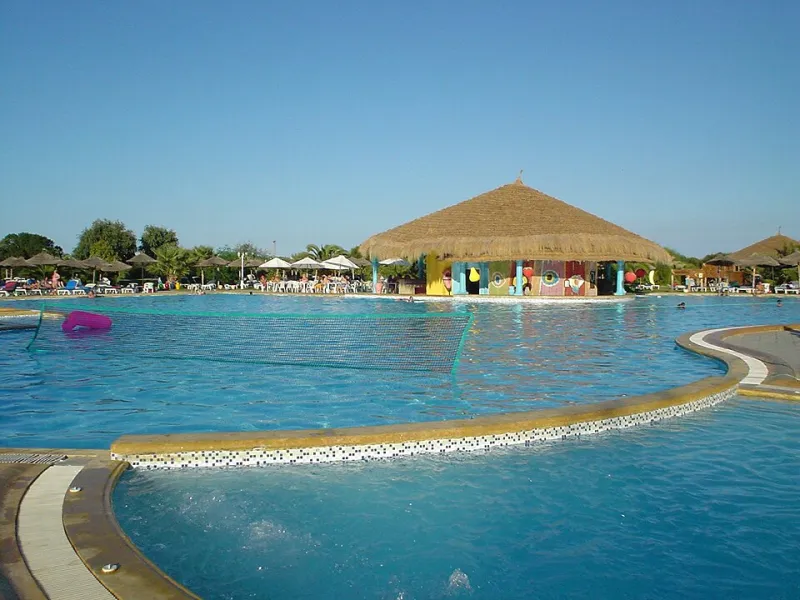
Photo: Oldayn, CC BY 3.0, via Wikimedia Commons
Ask a dozen British travellers what they worry about before a Caribbean holiday and the same handful of things come up: sunburn, mosquitoes, the transfer price and whether the tap water is safe. The last one deserves a better answer than a shrug and a bottle of Evian. Caribbean water is not one thing. It changes from island to island, from town to乡村 coast, and sometimes from one side of a hotel corridor to the other.
Start With the Building, Not the Island
The most useful question is not 'is the water safe on this island?' It is 'where does this building get its water?' A large resort on a municipal supply, with its own filtration and a team of engineers, is a different proposition from a six-room guesthouse collecting rainwater in a cistern. Both can be perfectly fine. But they are not the same system, and the staff will know which one they are running.
Ask at reception, casually: is the tap water treated municipal water, or does it come from a tank or cistern? Do you filter it? Is the ice made from the same water? What do you drink yourself? That last question is the one that cuts through brochure language. A hotel that says 'we provide bottled water' has told you something about service, not necessarily about safety. A hotel that says 'our staff drink the tap water and the ice is made from filtered water' has told you something useful.
The Islands, Roughly
This is not a medical guide, and no article can certify a tap on a given Tuesday. But the broad picture helps you ask better questions.
- Barbados: Tap water is generally treated and widely drunk. Desalination contributes to supply, especially on the more developed west and south coasts. Older properties may have tanks, so if the taste is odd, ask. Ice in hotels and bars is normally made from treated water.
- Antigua: Desalination does a lot of the heavy lifting. Supply can taste slightly salty in dry spells, and some smaller properties rely on storage tanks. Hotels usually filter, but it is worth asking if you are sensitive to taste.
- St Lucia: Much of the water comes from springs and rivers, and is treated. Rural guesthouses may use rainwater cisterns. In the main tourist areas, the tap is generally fine for most visitors.
- Jamaica: Urban supplies are treated; rural and smaller guesthouses may depend on rainwater catchments. Resort areas are usually well managed, but do not assume every tap on a long island is identical.
- Tobago: Treated supply in the main areas, with cisterns in some smaller properties. Hotel ice is usually fine; roadside ice is a different calculation.
- Grenada: Spring-fed supplies are common, and treatment is standard in built-up areas. Again, smaller guesthouses can be on their own systems.
- Cayman Islands: Reverse osmosis and desalination are common, and tap water is generally safe to drink. Taste can vary, but the standard is high.
- St Kitts and Nevis: A mix of desalination and cisterns depending on the property. Ask before you fill your bottle.
- British Virgin Islands: Cisterns are common, especially on smaller islands. Do not assume the tap is treated just because the villa is expensive.
Ice: The Quiet Test
Ice is where sensible caution meets holiday reality. In a hotel bar, ice is usually made from filtered or treated water and is not worth a second thought. In a beach shack at the end of a dirt road, the ice may have travelled in a bag from somewhere else. If your stomach is easily upset, ask for drinks without ice in the scruffier places and save your experiments for the hotel. Clear ice is not a guarantee of anything; the question is the water behind it, not the shape of the cube.
Bottled Water: Cost and Conscience
Bottled water is not cheap in the Caribbean, because much of it is imported and plastic is a burden on small islands. Expect to pay roughly £1 to £2.50 for a 1.5-litre bottle, more in a hotel minibar. A couple buying a bottle or two a day could spend £30 to £50 over a fortnight without trying hard. A family can double that.
The environmental trade-off is real. Many islands have limited recycling, and imported bottles become waste that has to be shipped out or buried. If the tap is treated, a reusable bottle filled from a hotel water cooler is the better habit. Filter bottles can improve taste, but they are not a magic wand for contaminated supply; treat them as a comfort, not a certification.
A Sensible Routine
If you are anxious, give yourself a soft start. Drink bottled or filtered water for the first day, use it for brushing your teeth if you want, then move to the tap once you have asked the right questions. Keep hydrated — the Caribbean heat is more likely to ruin your afternoon than the ice in your rum punch. And remember that most UK travellers drink the tap on the main tourist islands without incident. The goal is not to spend a fortnight suspicious of every glass. It is to know which glass deserves the question.
In 2026, the smartest packing list still includes a reusable bottle and a bit of nerve. Ask once at reception, watch what the staff drink, and let the island get on with being the holiday you came for.